7 Common Kitchen Decor Mistakes That Make Your Space Look Dated
Small, fixable choices — flat lighting, crowded counters, matched finishes — date a kitchen far more than...


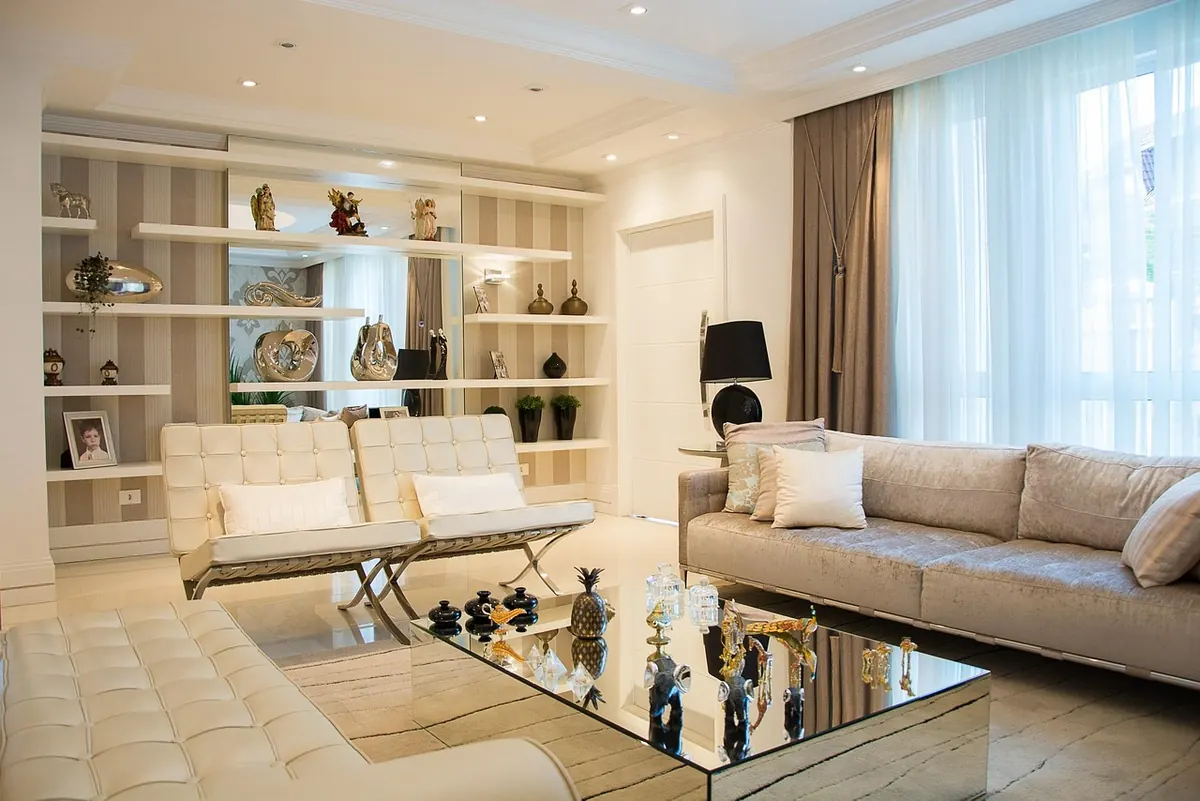
Flip a switch and the room fills with light. It's bright, it's even, and it feels oddly flat. That single ceiling fixture is doing one job well — keeping you from walking into the coffee table — while failing at two others: helping you see what you're actually doing, and making the room somewhere you want to sit for an hour. The answer isn't more light. It's the right two kinds of light, in the right places.
Ambient lighting is the general wash that makes a room usable from the doorway. It comes from ceiling fixtures, recessed cans, pendants, chandeliers, cove lighting, and lamps that bounce light off the ceiling or walls. Its whole purpose is even coverage: you should be able to cross the room, find your keys, notice the dog underfoot, and read a label without squinting into a bright pool surrounded by shadow.
Here's the part people miss — ambient light rarely needs to be bright. In most rooms it can sit at a moderate, comfortable level and let the task layers handle the intensity. A living room lit to reading-level brightness across every surface is exhausting to be in at nine o'clock at night.
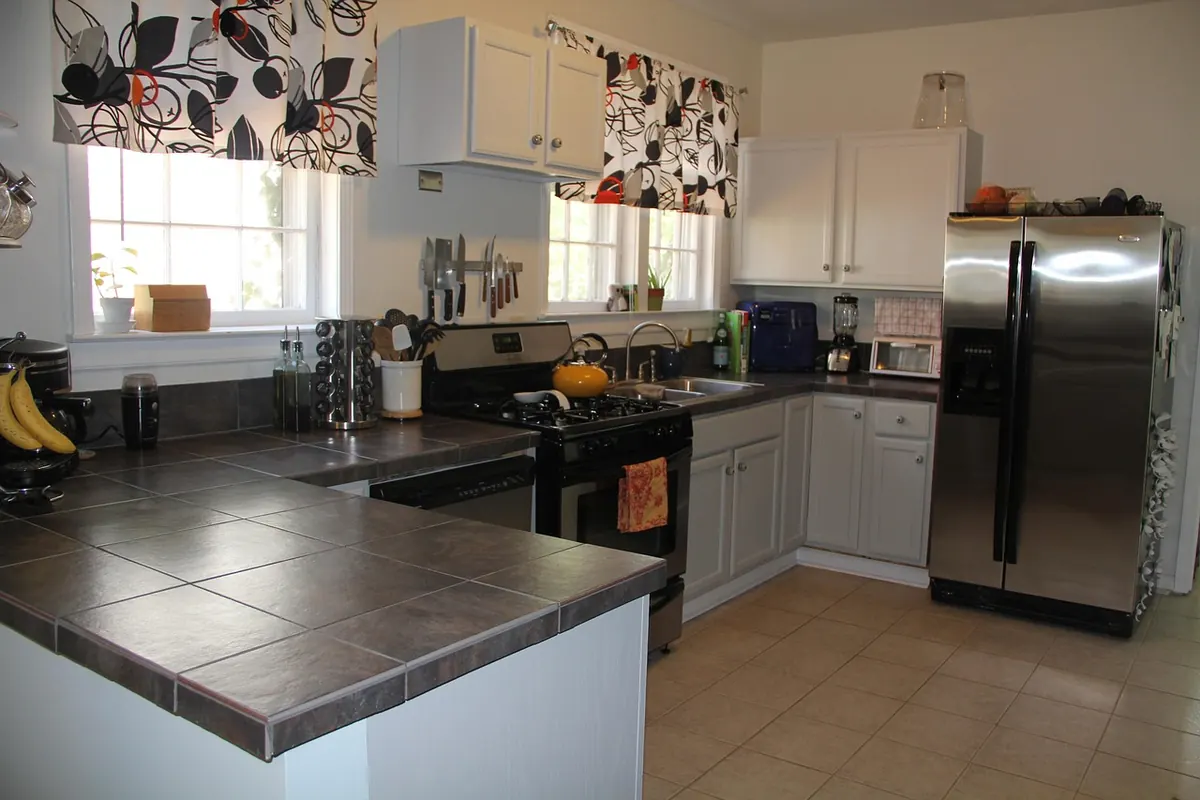
Task lighting is directional. It's aimed at a specific surface where your eyes and hands are already busy: a cutting board, a book, a keyboard, a bathroom mirror, a sewing machine, the page of a recipe you're trying to follow with wet hands.
Position matters more than wattage. Light should arrive from the side opposite your dominant hand, or from above and slightly forward, so your own shadow doesn't land on the thing you're looking at. If you can see the outline of your hand printed across the onion you're chopping, the fixture is in the wrong spot — move it before you buy a brighter bulb.
Ambient light alone forces a trade-off. To get enough light on your book or your chopping board, you have to raise the whole room to that level, which flattens the space and leaves everything either glaring or dim by comparison. Task light alone gives you bright islands in a dark room: fine for a workshop, odd in a living room.
Used together, they let you run the ambient layer lower. Lower ambient means softer contrast, less glare bouncing off screens and countertops, and a room that can shift from dinner to dishes to reading without anyone reaching for sunglasses.
Ambient light makes a room usable. Task light makes it work. Neither one is a substitute for the other.
Pick the room you use most after dark and do a five-minute audit. Turn on only the ambient fixtures and walk through your evening routine: chopping vegetables, reading, working at the desk, scrolling on the sofa. Every time you lean closer, squint, or angle something toward a light source, you've found a task lighting spot.
Fix one of them this week — a floor lamp by the reading chair, a strip light under the cabinets. Then dim the ambient layer down a notch and see how the room feels. That single adjustment, repeated room by room, is what separates a house with light switches from a home that's genuinely pleasant to be in after sunset.
Photo: Tima Miroshnichenko / Pexels
Small, fixable choices — flat lighting, crowded counters, matched finishes — date a kitchen far more than...
Smart layout, double-duty furniture and vertical storage let small city apartments feel open without...
Ten countertop items worth keeping out, plus placement rules, zone planning, and a five-minute reset that...