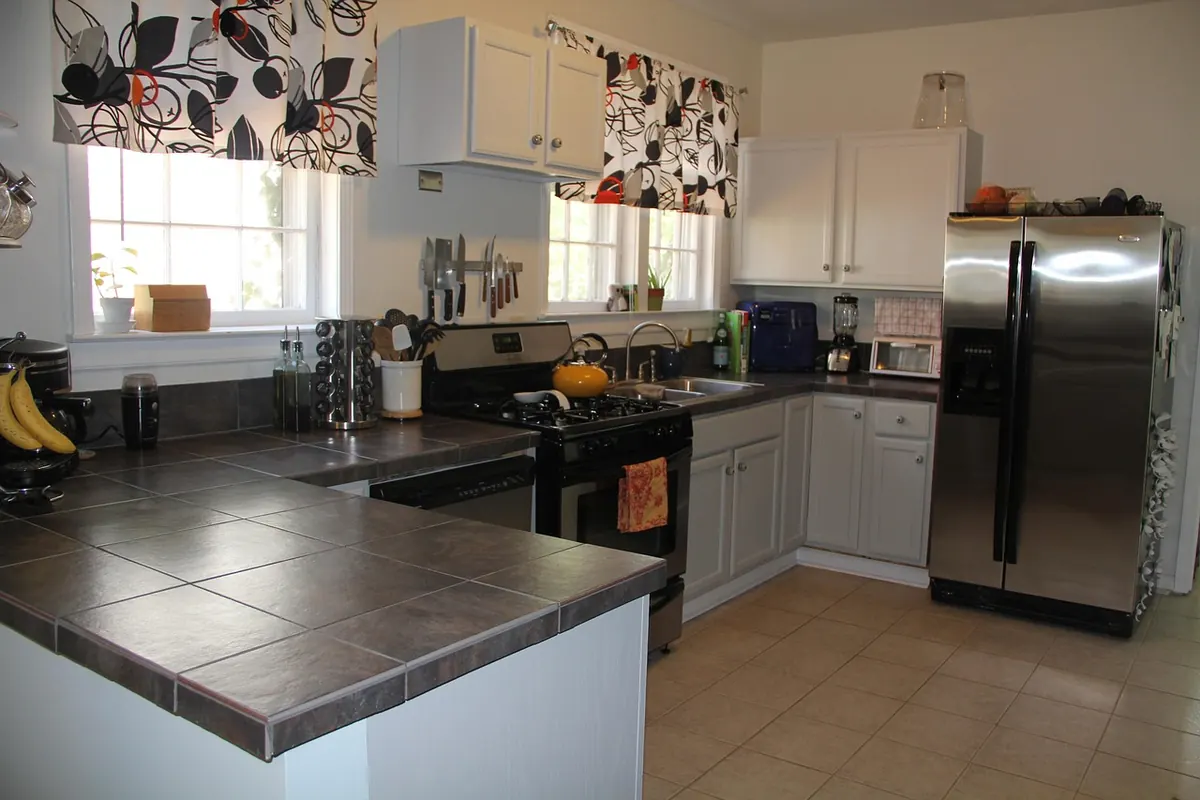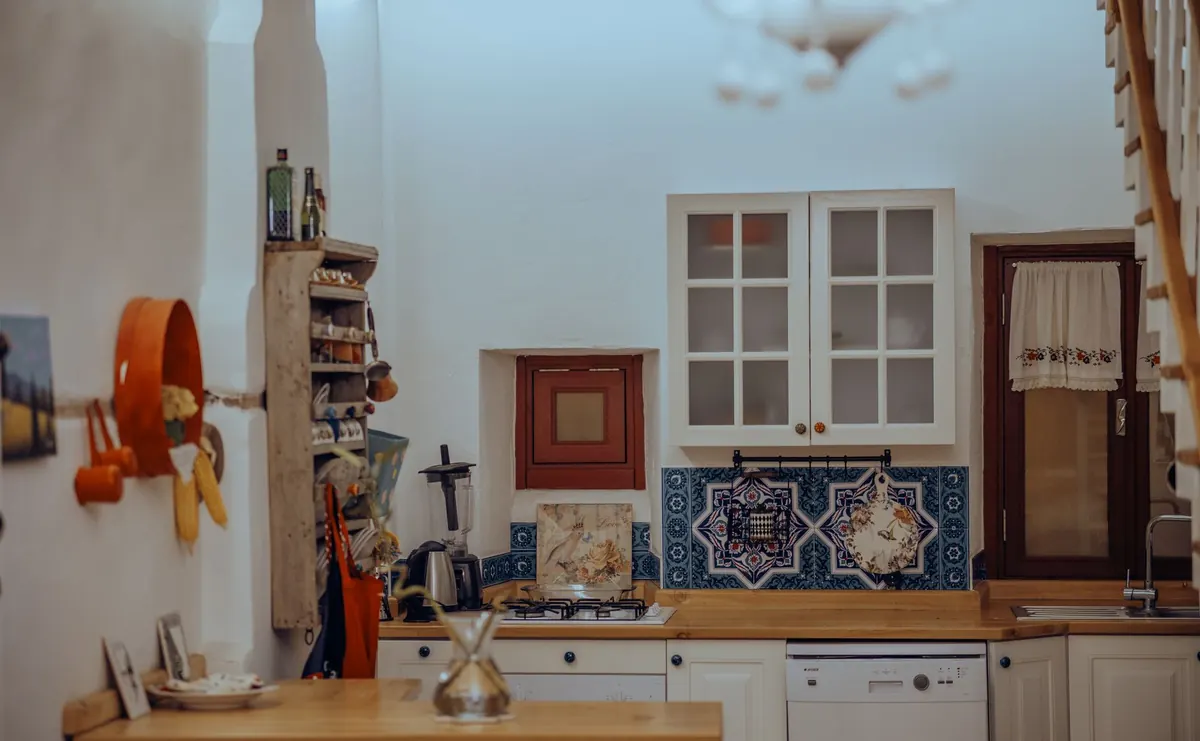
7 Common Kitchen Decor Mistakes That Make Your Space Look Dated
Small, fixable choices — flat lighting, crowded counters, matched finishes — date a kitchen far more than...

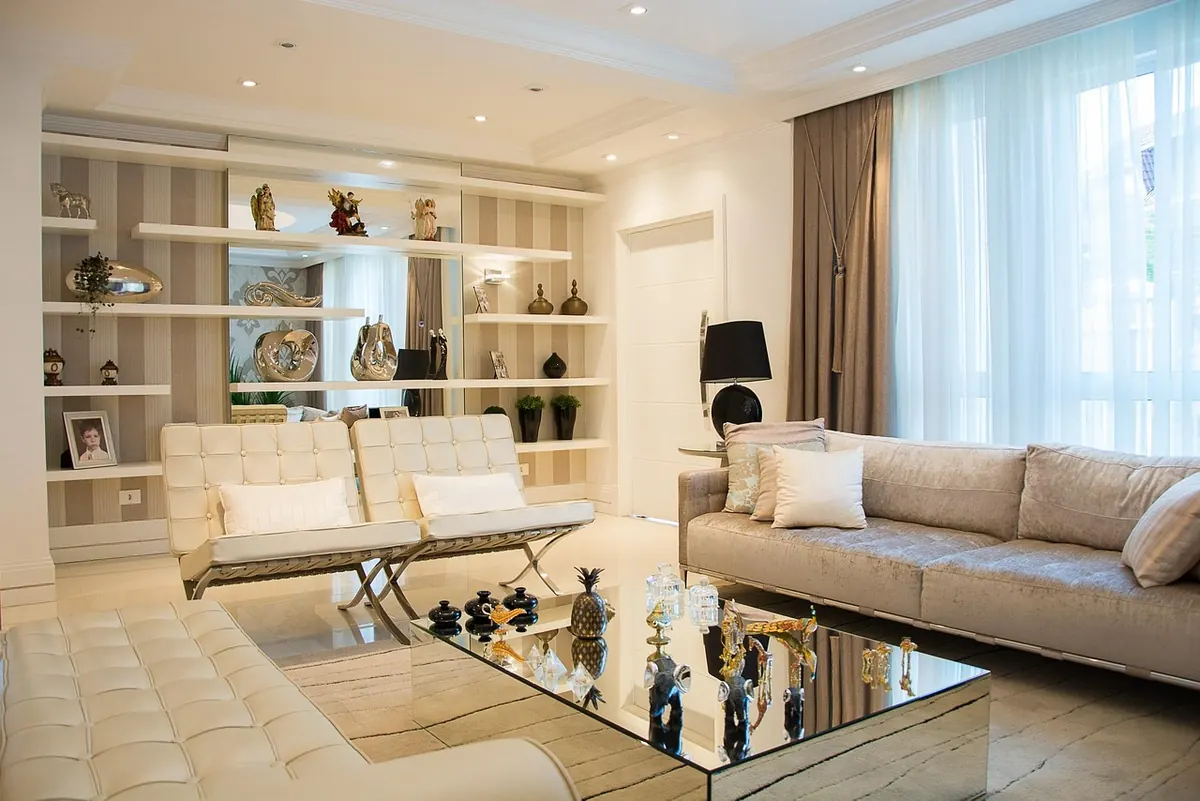
Every city apartment carries the same quiet argument inside it. You want the room to feel open, and you also need a place for the vacuum, the winter coats, the recycling, and the six friends who show up for dinner. Small rooms are rarely a style problem; they are a planning problem. The apartments that feel generous are almost always the ones where each piece of furniture earns its footprint and storage has been designed instead of accumulated.
Before you fall for a sofa online, spend twenty minutes with a tape measure. Note the door swing, the radiator depth, the distance from the window wall to the opposite wall, and where the outlets sit. Sketch the room on graph paper at a scale of one square to one foot, then draw in your furniture. You will spot problems on paper that cost real money in a showroom.
Keep at least 30 inches of clear walking space in main pathways and about 18 inches between a coffee table and the sofa. If a layout is tight, tape the outline of a proposed sofa on the floor with painter's tape and live with it for a few days. It sounds fussy. It saves returns, scratched walls, and regret.
One counterintuitive tip: in a small living room, buy the largest sofa the main wall can hold rather than two small loveseats. A single generous piece seats more people, reads calmer, and leaves the rest of the floor open.
Multi-functional pieces only work when they are genuinely comfortable to use daily. A storage ottoman that hurts to sit on is just a box with a lid. Test anything with a mechanism — open it, close it, sit on the mattress, ask how much clearance the fold-out needs.
In a tight apartment, the vertical plane is doing half the work. Floor-to-ceiling shelving holds twice what a waist-height unit does, and a tall narrow bookcase fits into corners a wide one never will.
If you rent, you still have options: tension poles in a corner for a hanging rail, over-door racks, picture rails, and wall-mounted bike hooks rated for the load. When a landlord allows drilling, wall-mounted lights and floating shelves free up both floor space and tabletop, which is where clutter tends to pile up first.
Hang curtains close to the ceiling and extend the rod a few inches past the window frame on each side. The window reads taller, the room reads taller.
Aim for roughly 80 percent closed storage and 20 percent open display. Baskets, lidded boxes, and cabinets keep visual noise down; a few open shelves let the room breathe and show your personality. Match baskets to your shelf heights so nothing has to be wedged in.
Then hunt the dead zones:
Adopt a one-in, one-out habit for small items. Bring home a new vase, and a candle holder leaves. It takes ten seconds and prevents the slow creep that makes small rooms feel cramped.
Light is the cheapest way to make a room feel larger. Place a mirror where it reflects a window rather than a blank wall, and choose one large mirror over a cluster of small ones — a single wide reflection reads as extra space, while many small ones read as clutter. Sheer curtains let daylight through during the day; a woven shade or opaque roman blind gives you privacy at night.
Layer lamps at three heights: a floor lamp in a corner, a table lamp on a side table, and a small task light near a chair or desk. Warm bulbs and a dimmer let one room shift from bright and useful to soft and evening-ready without any furniture moving.
In a studio or an open plan, define areas with orientation rather than construction. A rug under the seating group tells the eye where the living room ends. Turning a sofa perpendicular to the wall creates a distinct zone behind it for a desk or dining table.
A low bookcase placed perpendicular to the wall works as a divider, especially with an open back that lets light pass through. Keep each zone to its own palette — neutral base, one accent color for living, a second for sleeping — and the separation feels intentional rather than accidental.
For dining, a drop-leaf table or a wall-mounted folding desk gives you a full-size surface when you need it and a few inches of clearance when you do not.
Buy in this sequence and you will avoid the pile of mismatched pieces that ends up in a hallway. First, the sofa with slim arms and a tight back. Second, storage that doubles as a surface. Third, vertical shelving sized to your wall. Fourth, lighting — one floor lamp, one table lamp, one task light. Fifth, baskets and boxes measured to fit those shelves. Sixth, a mirror wide enough to reflect a window. Last, the decorative layer: cushions, art, a plant, a throw.
Small apartments drift back into clutter within weeks, so build in a reset. Once a week, spend fifteen minutes clearing surfaces and returning stray items to their labeled homes. Twice a year, empty one storage zone completely, wipe it out, and put back only what you actually used. A small home stays stylish not because it holds less, but because everything in it has a decided place.
Photo: leemelina08 / Pixabay
Small, fixable choices — flat lighting, crowded counters, matched finishes — date a kitchen far more than...
Ten countertop items worth keeping out, plus placement rules, zone planning, and a five-minute reset that...
Ambient lighting keeps a room usable; task lighting makes it work. Here's how each layer functions, where...